
Here Today, Still Here Tomorrow
Introduction: Biologicals Are a Crowded Category
Over the last decade, biological crop protection has become one of agriculture’s hottest categories. That recent trend has been like leaving the back porch light on during a summer night. It has attracted a crowd of new companies, products and VC money.
While that brings new excitement and growth to this crop-protection category, it has also seen many companies come and go. One day they're at all the conferences and trade shows, and after a few seasons, there’s not a hint of their products on the market. Worse, some companies are long on ideas but short on data to back them up. This has left a bad taste in the mouth for many farmers who are looking for sustainable, profitable ways to push yield and reduce synthetic fertility / pesticide dependence.
That volatility creates confusion and mistrust among growers, retailers, and distributors.
It also makes longevity meaningful. A company that has ridden out the biological market’s peaks and valleys has demonstrated something that no launch campaign can manufacture continued commitment to its customers and confidence in its products.
Before Biologicals Were Trendy
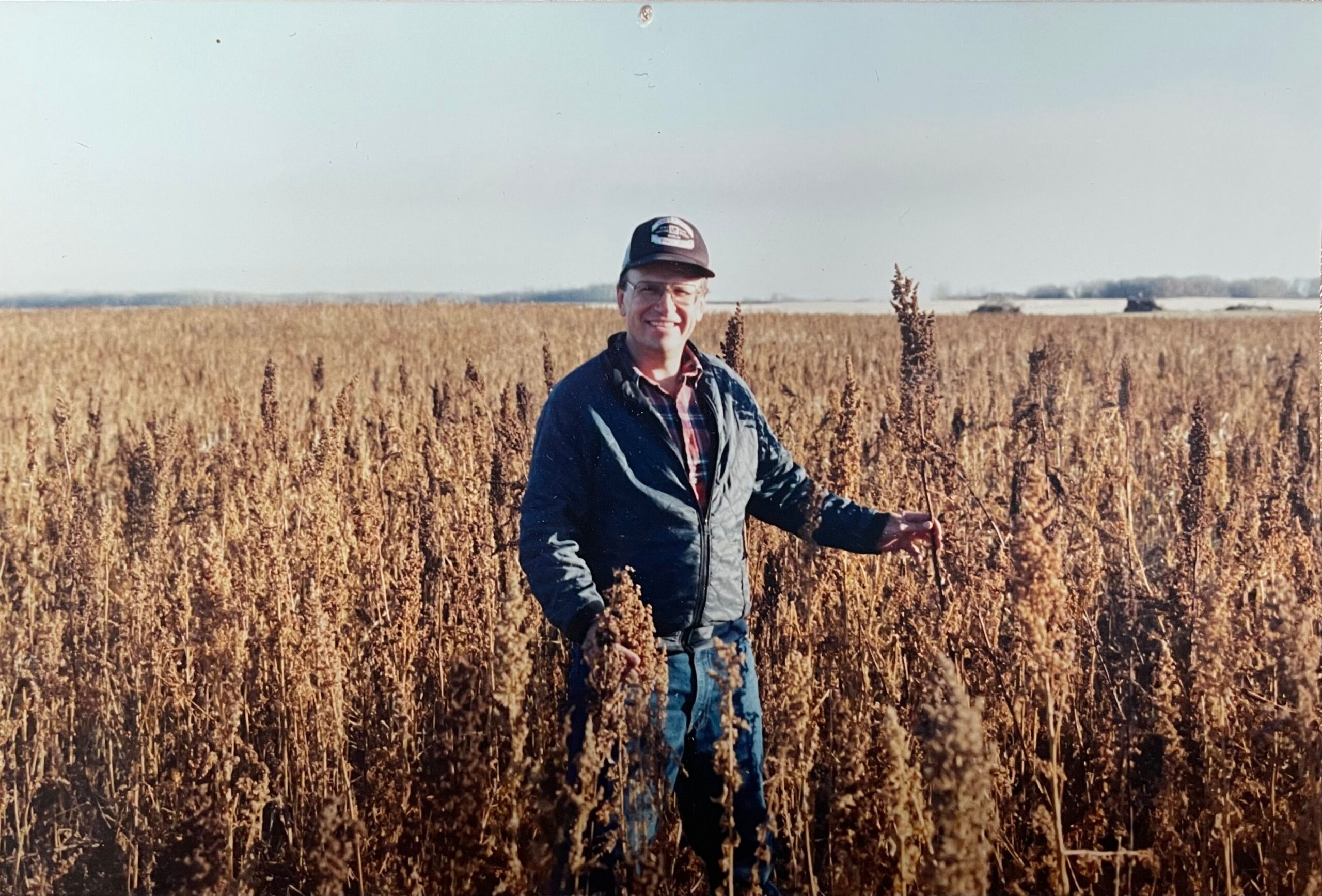
Back in 1994, long before biologicals were trendy, Joe Dutcheshen was trying to figure out the future of his generational farm legacy in Eastern Saskatchewan. As traditional grain prices kept dropping, Joe tried growing quinoa as a specialty crop for diversification and its unique ability to excel in a cooler, frost prone climate.
With a background in pharmacy, Joe (B. Pharm) also understood that certain chemistries found on quinoa seeds may be more valuable than the grain he was trying to sell, as they had shown practical applications in frequently used pharmaceutical drugs. That led him to extract several naturally occurring compounds from quinoa, explore pharmaceutical drug development, and eventually formulate a product that activates systemic acquired resistance in plants. Essentially, Joe found a way to wake up the plant’s defense system before pathogens attack.
It’s where the name Heads Up came from. The biological product Joe developed gave the plants a “heads up” that they needed to prepare for a threat.
But it wasn’t an easy go at the beginning.
Joe ran into several setbacks, including the disbelief from EPA that a product could act as a fungicide, yet not be fungicidal or a fungistat. Never discouraged, Joe responded by generating data from accredited institutions and continuing to push the EPA that alternatives to fungicides, do in fact, exist. Eventually in 2006 Heads Up was given full registration as a reduced risk biopesticide or plant activator to be applied on soybean seed as a seed treatment prior to planting.
Fast forward to today, and more than 12 million soybean acres annually rely on Heads Up® to help suppress sudden death syndrome and white mold.
Why Staying Power Matters
Biologicals have gone through several hype cycles, leaving many growers feeling burned, cheated, or overpromised. Those peaks and valleys aren’t going away anytime soon.
There’s room in the market for new ideas and new companies that genuinely improve growers’ operations. But some biological startups appear better built to attract investment than to solve farmers’ problems. They arrive with plenty of money and big promises, then disappear when the funding or patience runs out.
Longevity signals something farmers deserve: a product that has continued to earn customers’ trust, maintain technical focus, and sustain commitment to the end user.
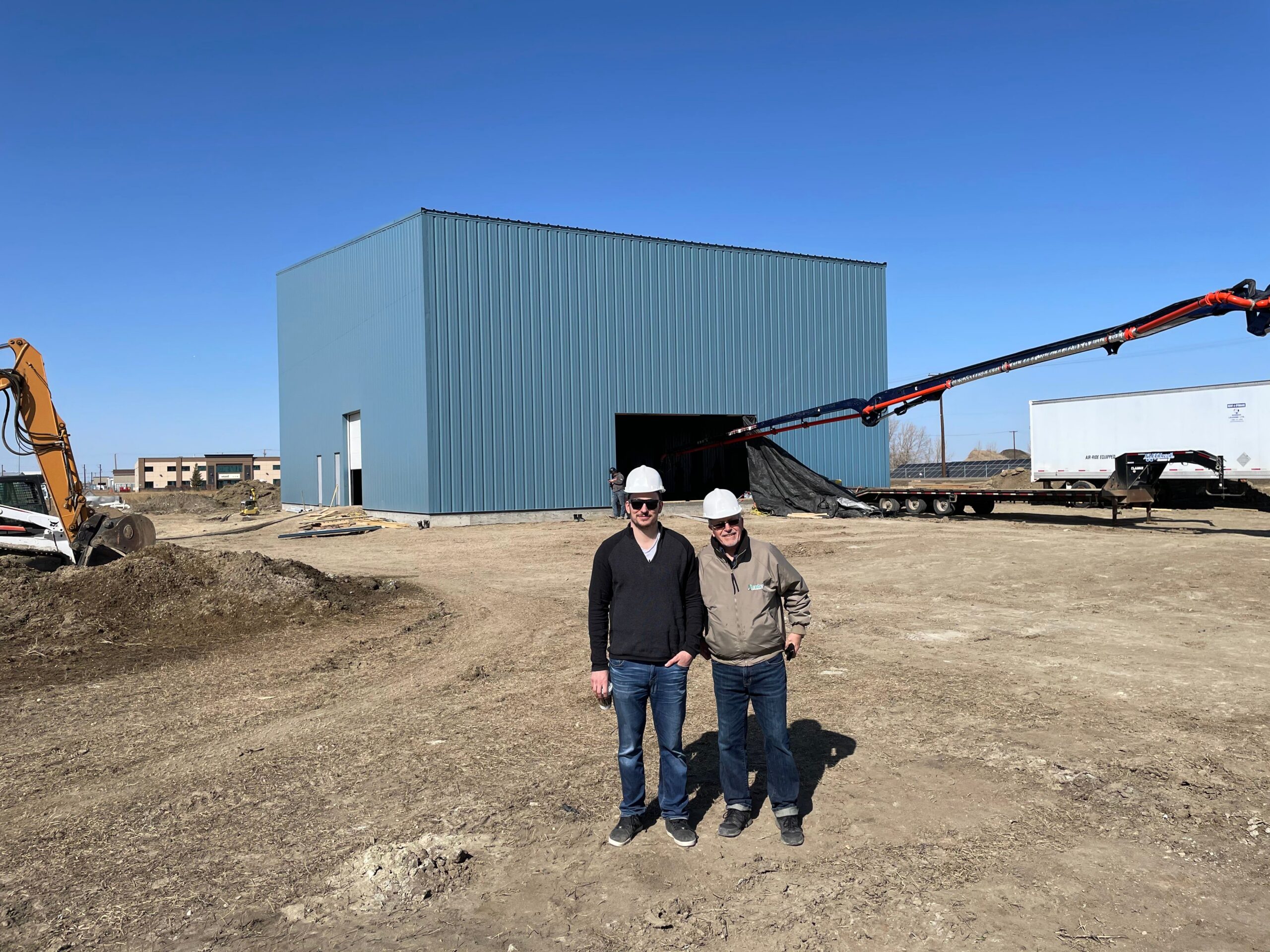
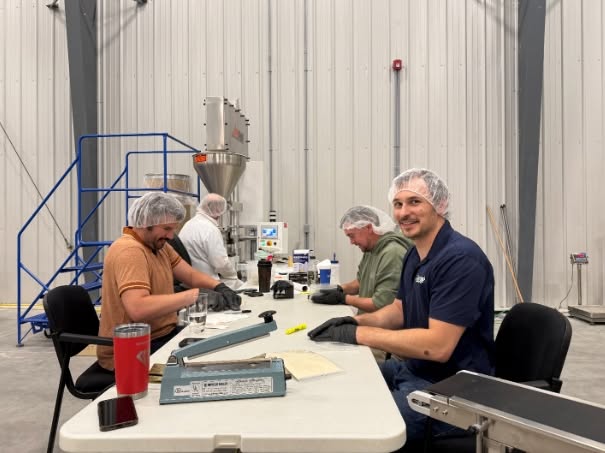
For more than 30 years, Heads Up’s family-owned model has weathered the market’s storms and downturns. The company has never been beholden to outside investors demanding rapid growth, short-term returns, or an exit within three to five years. Heads Up answers to farmers, not Silicon Valley. That independence allows the company to focus on the same objective it has had from the beginning: providing farmers with quality products at a fair price that deliver real value.
A New Brand, Not a New Company
A refreshed brand can make a company look new. But a new look doesn’t make Heads Up a new kid on the block.
The updated brand better reflects the evolution Heads Up has endured after more than three decades in biological crop protection. Since that initial EPA registration, Heads Up has expanded across crops, applications and formulations. But the company has remained focused on helping growers manage disease by activating the defenses already present within the plant.
Today, Heads Up brings more than a product to the tank or seed treater. It brings decades of expertise from investing in Research and Development, finding ways to aid in disease pressure mitigation, fully comprehending product compatibility understanding and farmer need, and the championing for the role biological crop protection products can play in a grower’s broader integrated pest management strategy.
Farmers don’t need another big promise in a new package. They need effective products, fair pricing and people who will still answer the phone after the excitement wears off. That is what the refreshed Heads Up brand is meant to represent.
Conclusion
Logos change. Packaging changes. Markets change. But the reason Heads Up exists has not.
Since 1994, the company has continued developing, refining and supporting biological crop protection while remaining independent and family owned. The new brand represents the next chapter of that story, not the beginning of it.
In a fast-changing biological market, being here today means more after you’ve spent 30 years proving you’ll still be here tomorrow.
More From Heads Up
Fill the Planter and Go
Fill the Planter and Go with Heads Up Soybean Seed Treatment Matt Oehmichen closes his...
2026 White Mold Update: Northern Minnesota, North Dakota & Manitoba
White Mold in 2026: What We’re Seeing Across the Northern Region The 2026 growing season has...
Why this North Central Illinois Seed Dealer Makes Heads Up® Part Of His Standard Treatment Package
Why this North Central Illinois Seed Dealer Makes Heads Up® Part Of His Standard Treatment...